
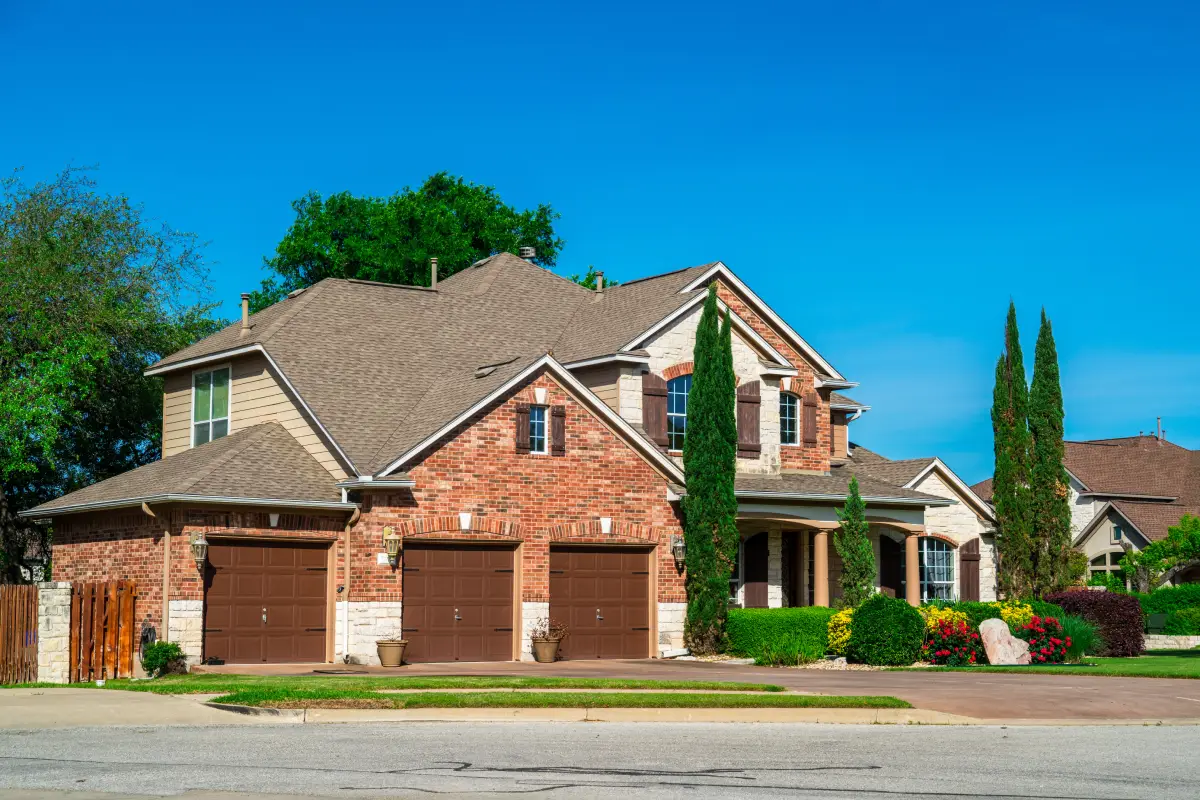
Some rentals feel like they constantly pull you back in. Others settle into a rhythm where decisions feel planned instead of reactive. In Atlanta, that contrast often becomes clear once owners start comparing asset types, especially after reviewing how factors like portfolio success metrics influence real outcomes. Structure plays a bigger role than many investors expect, and Single-Family Homes tend to bring more balance into day-to-day ownership.
National trends reinforce that direction. Buyers and renters continue prioritizing space and flexibility, with home values climbing to $426,800 in the third quarter of 2025. In Atlanta’s residential market, those preferences affect more than pricing. They shape how long tenants stay, how maintenance unfolds, and how predictable ownership feels over time.
The sections below break down why Single-Family Homes often operate more smoothly in Atlanta and how that structure supports residential investors who value clarity and consistency.
Key Takeaways
- Single-Family Homes limit friction by reducing shared spaces and overlap.
- Outdoor areas and flexible layouts often support longer tenant retention.
- Pricing remains steadier without internal unit competition.
- Maintenance planning stays more predictable when systems serve one household.
- Gradual growth aligns well with residential-focused portfolio strategies.
Privacy That Keeps Operations Manageable
Privacy affects far more than comfort. It directly influences how often issues arise and how complex each response becomes.
Fewer shared pressures
Multifamily properties combine multiple households, systems, and routines under one roof. Shared walls, parking areas, and entrances allow small inconveniences to escalate quickly into recurring concerns.
Single-Family Homes remove much of that overlap. One household per property creates clearer boundaries and fewer situations that require mediation. For owners, that often means fewer interruptions and more predictable schedules.
Clearer management focus
Without common areas or shared amenities, oversight stays centered on the home itself. This clarity allows residential owners to focus on condition, leasing, and performance rather than community-style rule enforcement.
Outdoor Space That Encourages Longer Stays
Outdoor features often determine whether tenants see a rental as short-term or something they can settle into.
Everyday functionality
Private yards, patios, and driveways give tenants room to relax, host, and manage daily routines without shared restrictions. These features help rentals feel more permanent, even within standard lease terms.
In Atlanta, that sense of space appeals to households balancing pets, hobbies, and flexible work schedules.
Broader appeal without added complexity
Pet-friendly policies are easier to manage when outdoor access exists. A yard can reduce common complaints tied to shared hallways while expanding the pool of qualified applicants.
When weighing future acquisitions, insights into Atlanta investment property trends can help align outdoor features with neighborhoods showing steady demand.
Layouts Designed to Evolve Over Time
Floor plan flexibility plays a quiet but meaningful role in tenant retention.
Rooms that adapt
Extra bedrooms, garages, and defined living areas allow tenants to adjust as needs change. A spare room can shift from guest space to home office or storage without forcing a move.
That adaptability reduces relocation pressure, benefiting both tenants and owners through fewer turnovers.
Income continuity
Each renewal avoids marketing costs, vacancy gaps, and preparation expenses. Over time, flexible layouts support steadier cash flow and reduce the operational strain tied to frequent move-outs.
Pricing Control Without Internal Competition
Pricing behaves differently when rentals do not compete side by side.
Multifamily pricing volatility
In apartment settings, similar units often enter the market together. One vacancy can trigger pricing adjustments across multiple listings, limiting flexibility and compressing margins.
Detached homes stand independently
Single-Family Homes compete based on neighborhood appeal, condition, and features rather than direct unit comparison. Owners can price based on true positioning without worrying about undercutting identical units.
National data supports this distinction, with reports showing single-family rents running 20% higher than multifamily rents, reflecting renter preference for space and privacy.
Maintenance That Stays Predictable
Maintenance is often where property structure makes the biggest difference.
Isolated systems reduce surprises
In a Single-Family Home, plumbing, HVAC, and electrical systems serve one household. Repairs stay contained, scheduling is simpler, and budgets are easier to forecast.
Fewer ripple effects
Shared systems can turn one issue into several. Detached properties avoid that chain reaction, keeping maintenance responses focused and easier to control.
Owners refining financial oversight often pair maintenance planning with insights from tax rules overview to better align expenses and reporting.
Risk and Financial Planning With Clearer Boundaries
Risk management becomes more straightforward when fewer shared liabilities exist.
Coverage that reflects actual exposure
Single-Family Homes typically involve fewer gray areas around responsibility. With limited shared infrastructure, insurance decisions align more closely with real-world risk.
Smarter valuation and financing decisions
Understanding how properties are valued and financed helps protect long-term performance. Guidance on investment valuation methods and financing options supports more confident planning as portfolios evolve.
Scaling Without Losing Control
Growth feels very different depending on asset structure.
Gradual expansion that stays balanced
Detached properties allow owners to add homes step by step, adjusting reserves and workflows as the portfolio grows. This approach reduces pressure and preserves oversight.
Residential systems built for consistency
At PMI Perimeter, we focus exclusively on residential properties. Our processes, vendor coordination, and leasing systems are designed around Single-Family Homes in Atlanta, helping owners scale without unnecessary complexity.
FAQs about Single-Family Homes in Atlanta, GA
What makes Single-Family Homes appealing to renters who plan to stay longer in Atlanta, GA?
Many renters choose single-family homes because they offer privacy, storage, and outdoor space that supports long-term routines. These features often align better with households looking for stability rather than short-term flexibility.
How do Single-Family Homes change the way lease renewals are handled in Atlanta?
Renewals can feel more straightforward because tenants are less likely to outgrow the space quickly. This often leads to smoother negotiations and fewer last-minute turnover decisions.
Do Single-Family Homes influence maintenance response times in Atlanta, GA?
Yes. Because issues usually affect one household, scheduling repairs is often faster and more predictable, which can improve tenant satisfaction and reduce operational delays.
How does rental demand for Single-Family Homes compare across Atlanta neighborhoods?
Demand can vary based on commute access, school zones, and nearby amenities. Homes that match neighborhood expectations tend to lease faster and maintain stronger occupancy over time.
Are Single-Family Homes a good fit for owners balancing multiple investments in Atlanta, GA?
They often are. Independent operations and fewer shared systems make it easier to manage multiple properties without the added coordination required by higher-density housing.
Building Rentals That Stay Manageable as You Grow
Long-term success in Atlanta rentals often comes down to how well a property fits into your life, not how impressive it looked on day one. Single-Family Homes tend to hold their ground because they stay easier to oversee as priorities shift, markets move, and portfolios expand. That ease creates room for smarter planning, calmer decision-making, and a rental experience that doesn’t constantly demand course corrections.
At PMI Perimeter, our work stays centered on residential properties and the realities that come with them. From evaluating opportunities to supporting ownership through each phase of growth, we help turn structure into sustainability. Move your portfolio forward with confidence by working with us through our investment guidance options and build a strategy designed to keep pace with Atlanta’s residential market.
